Watermelon, Citrullus lanatus, is a plant belonging to the Cucurbitaceae family. It is characterized by large spherical or elongated fruits, with a juicy red or yellow pulp and a green or dark green outer shell. Watermelon is composed mostly of water, accounting for about 90% of its weight. It also contains a small amount of carbohydrates, fiber and protein. It is a source of vitamins such as vitamin C and minerals such as potassium. Watermelon is appreciated for its sweet and refreshing taste, and is often eaten raw as a fresh fruit or used to prepare drinks such as juices or smoothies. Due to its high water content, watermelon is also a great option for staying hydrated during the summer months.
Spinach is a herbaceous plant belonging to the Chenopodiaceae family, scientifically known as Spinacia oleracea. It has lance-shaped or oval-shaped green leaves, rich in chlorophyll and carotenoid pigments responsible for its color. It is an important source of vitamins, including vitamin A, vitamin C and vitamin K, as well as minerals such as iron, calcium and magnesium. The high iron content in particular makes it a popular choice for those looking to increase the amount of this mineral in their diet. It is often eaten both raw and cooked, and its leaves can be used in salads, soups, stuffings, side dishes, and other dishes.
Radish, scientifically known as Raphanus sativus, is an edible root belonging to the Brassicaceae family. It has a spherical or elongated shape and can vary in color, from white to red or purple. It is composed mainly of water and contains vitamins such as vitamin C, B vitamins and minerals such as potassium and magnesium. Radish has a tangy, crunchy flavor and is often eaten raw in salads or as a snack. It is also used in sauces, pickles and as an ingredient in various cooked dishes. Radish is appreciated for its purifying and digestive properties.
Kohlrabi, scientifically known as Brassica rapa, is a plant belonging to the Brassicaceae family. It has a bulbous root and green leaves that can vary in shape and size. It is rich in nutrients, including vitamin C, vitamin K, vitamin A, potassium and fiber. It is known for its sweet and slightly spicy flavor. Kohlrabi can be eaten both raw and cooked and is often used in salads, soups, stews, and as a side dish. It is also a source of antioxidants and health-promoting phytochemical compounds.
Valerian is a herbaceous plant, scientifically known as Valeriana officinalis, belonging to the Valerianaceae family. It is characterized by pinnate leaves and small white or pink flowers. Valerian root is particularly used for its calming and sedative properties. It contains compounds such as valerenic acids and valepotriates, which act on the central nervous system to promote relaxation and reduce anxiety and stress. Valerian is often used as a natural remedy for insomnia and as a support to promote peaceful sleep. It can be consumed in the form of an infusion, extract or dietary supplement.
The sugarloaf chicory is a variety of green leaf salad, scientifically known as Cichorium endivia. It has long narrow leaves, light green in color, with a crunchy texture. It is a low-calorie vegetable, rich in fiber, vitamins (such as vitamin A and vitamin K) and minerals (such as calcium and potassium). Sugar loaf has a slightly bitter taste and lends itself well to being eaten raw in salads or cooked as a side dish or ingredient in cooked dishes. It is appreciated for its nutritional properties and for its versatility in the kitchen.
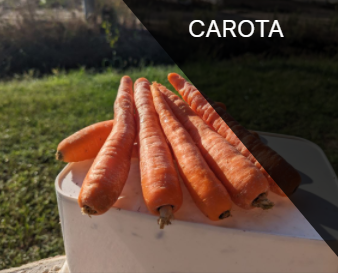
The carrot is characterized by a conical, bright orange root, but it can also be of other colors such as yellow, white or purple. It is a plant belonging to the Apiaceae family and its root is the most commonly consumed part. It is known for its vision and skin health benefits due to its high content of beta-carotene, which is converted into vitamin A in the body. Additionally, carrots are widely used for their sweet, crunchy flavor in many dishes and can be eaten raw or cooked.
The white round turnip is a variety of turnip, scientifically known as Brassica rapa subsp. turnip. It has a round and smooth, white bulbous root. It is a low-calorie vegetable rich in vitamins (such as vitamin C and vitamin K) and minerals (such as calcium and potassium). The white round turnip has a sweet taste and a crunchy texture. It is often used to prepare salads, side dishes and cooked dishes. It is appreciated for its nutritional value and for its versatility in the kitchen.
Rhaetian turnip is a variety of radish, scientifically known as Brassica rapa subsp. kidnaps. It has a bulbous root with smooth, purple or white skin. It is a low-calorie vegetable and offers a good amount of vitamins (such as vitamin C and vitamin K) and minerals (such as potassium and calcium). The Rhaetian turnip has a sweet and slightly spicy flavor and can be eaten raw, cooked or fermented. It is often used in salads, soups, stews or as a side dish. The Rhaetian turnip is prized for its nutritional profile and versatility in cooking.